 Krka Waterfalls Croatia
Swimming at Krka Waterfalls: Where It's Banned and Where It's Legal
Swimming at Krka waterfalls has been banned since January 2021, when the park banned bathing across its entire watercourse to protect the travertine barriers and the river's endemic fish. What you can do is swim well: Skradin's river beach, Primošten's pebble coves and Šibenik's city water are the legal substitutes, and every tour in our comparison builds its swim stop around them. This page explains the ban's logic and enforcement, maps where each tour actually gets you wet, and gives the swim-month arithmetic so the swimsuit lands in the bag on the right month.
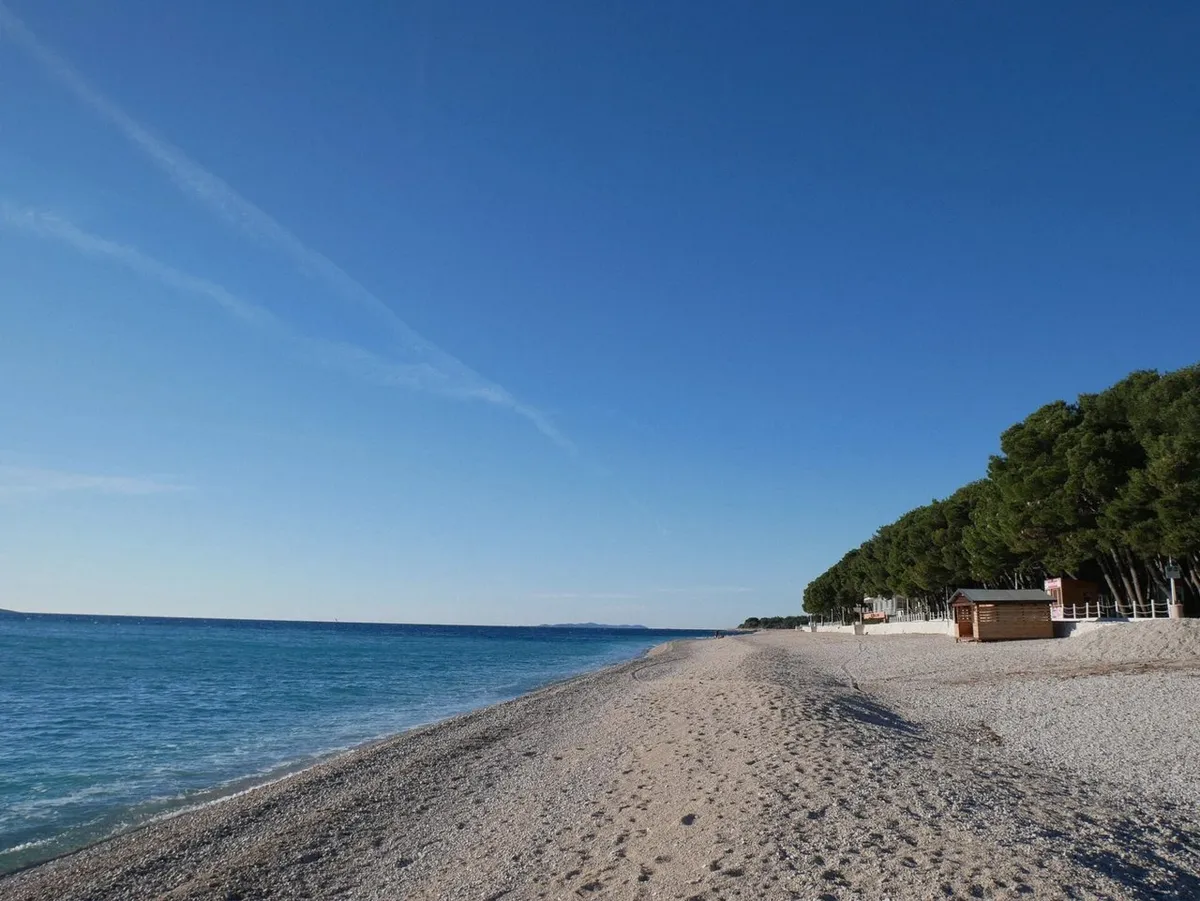
Primošten's pebble beaches and peninsula - the sea-swim stop on the coastal Krka itineraries. Photo: Zvone00, Wikimedia Commons CC BY-SA 4.0.
Quick answer Banned since 2021 - Skradin and Primošten hold the legal swim
No swimming at Krka waterfalls since January 2021, when the park banned bathing across the whole watercourse to protect the travertine and the endemic fish - rangers patrol and fines are real. The legal substitutes: Skradin's river beach, the standard tour swim stop; Primošten's pebble beaches on the coastal itineraries; Šibenik on low-season reroutes. Swim season for all of them: June through September.
The Short Answer: No Swimming in the River Since 2021
The pool under the postcards is closed, and it has been since January 2021, when Krka National Park prohibited bathing across its entire watercourse - from the headwaters through Skradinski Buk and downstream to the brackish mouth at Šibenik. The rule is not a seasonal closure or a low-water measure; it is a standing protection order, and the park's own visitor rules treat swimming like any other prohibited activity. Enforcement is visible: rangers walk the boardwalk edges on peak days, and the fines are the kind that ruin a vacation budget.
What replaced the falls-swim is the substitution economy this page maps: the tours swim at Skradin, at Primošten, at Šibenik - legal water, warm water, and in the reviews' own words often the afternoon's highlight.
Why the Ban Exists
The travertine barriers that make Skradinski Buk are alive: they grow millimetre by millimetre as mosses and algae mineralise in the spray, and the same chemistry that builds them is easily smothered - by sunscreen films, by stirred silt, by the physical wear of thousands of feet on submerged rock. The river's fish do the rest of the argument: the Krka holds endemic species whose spawning grounds sit exactly in the shallow, warm pools people swam in. The ban's stages tell the story: pools at the falls were already off-limits in earlier rules, and 2021 closed the whole watercourse rather than leave the enforcement puzzle of invisible boundary lines in moving water.
Plitvice - Krka's travertine cousin - reached the same verdict earlier, in 2006, and nobody who has seen its lakes argues anymore. The honest framing for travellers: this is not bureaucracy taxing your fun; it is the reason the falls still look like the photos.
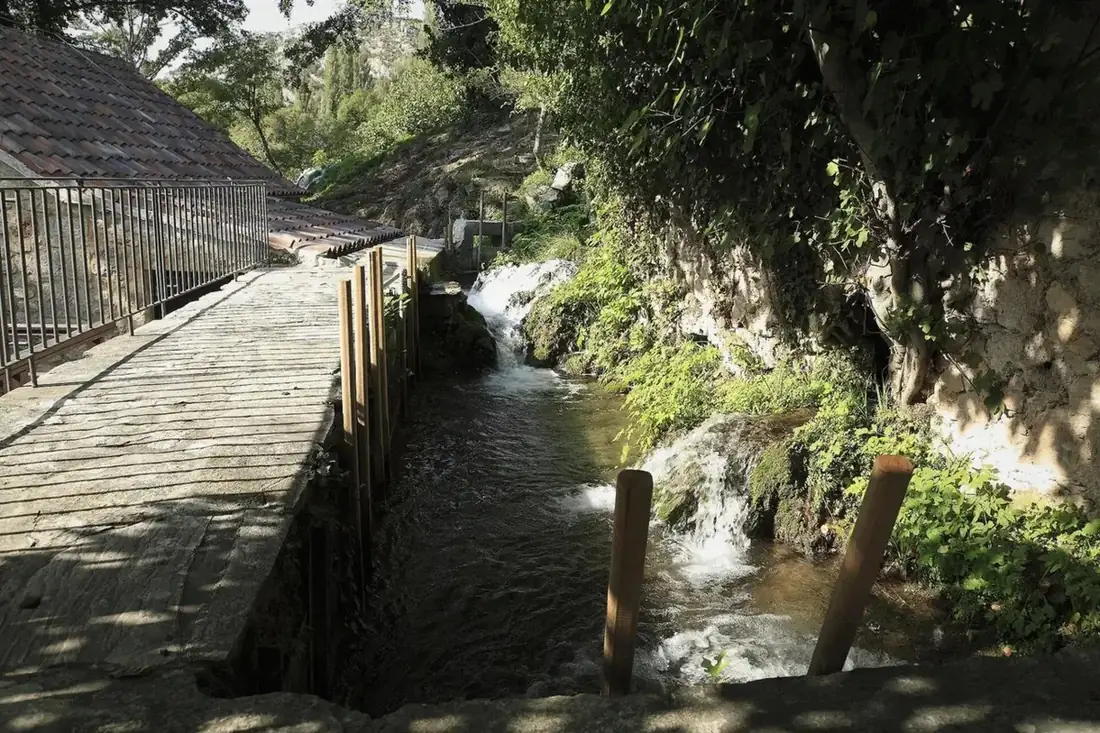
Roški slap, the gentler second barrier upstream, sold separately by the park. Photo: Falk2, Wikimedia Commons CC BY-SA 4.0.
Where You CAN Swim: Skradin, Primošten, Šibenik
Three legal waters serve the Krka day, each with its own character. Skradin's river beach sits below the fortress where the current dies at the town's edge: gradual, current-free entry over clean pebble, warmest of the three from June to September, and a five-minute walk from the tour boat's dock - which is why six of the tours in our comparison use it. Primošten's pebble beaches are Adriatic water on a stone peninsula: salt buoyancy, beach bars, and the peninsula viewpoint at golden hour; the flagship and budget days trade the river for it. Šibenik appears in the low-season shapes - the budget listing reroutes there when the beach season ends - where the swim becomes a city-swim off the old town's edges and the afternoon belongs to the cathedral and the fortress instead. All three share one rule of thumb: warm enough to swim June through September, a dare in May and October, a fantasy before.
Where Each Tour Gets You Wet
The comparison's swim map, one line per listing - the park itself stays dry on every listing, and any listing that seemed to promise a falls-swim is using the swimming-ban-era substitution the park itself created.
The swim map of the tours
Read from the listings' itineraries, September 2026; water type matters - river swimming at Skradin is calm and current-free, the coast adds salt and swell.
| Tour | Swim stop | Water | Length | Season |
|---|---|---|---|---|
| Flagship | Primošten pebble beaches | Sea | 2 hours | Swimmable Jun-Sep |
| Food & wine | Skradin beach, optional | River | Free time | Jun-Sep realistic |
| Guided + Skradin | Skradin beach | River | 2 hours | Apr-May too cold (listing's own note) |
| Short day | Skradin beach | River | 1.5 hours | Jun-Sep realistic |
| Trogir combo | Skradin beach | River | 1 hour | Jun-Sep realistic |
| Gray Line | Skradin beach | River | 1.5 hours | Jun-Sep realistic |
| Zadar day | Skradin beach | River | 2 hours | Jun-Sep realistic |
| Budget + Primošten | Primošten (Šibenik low season) | Sea | 2 hours | Swimmable Jun-Sep |
| Private day | Your schedule | River | Flexible | Jun-Sep realistic |
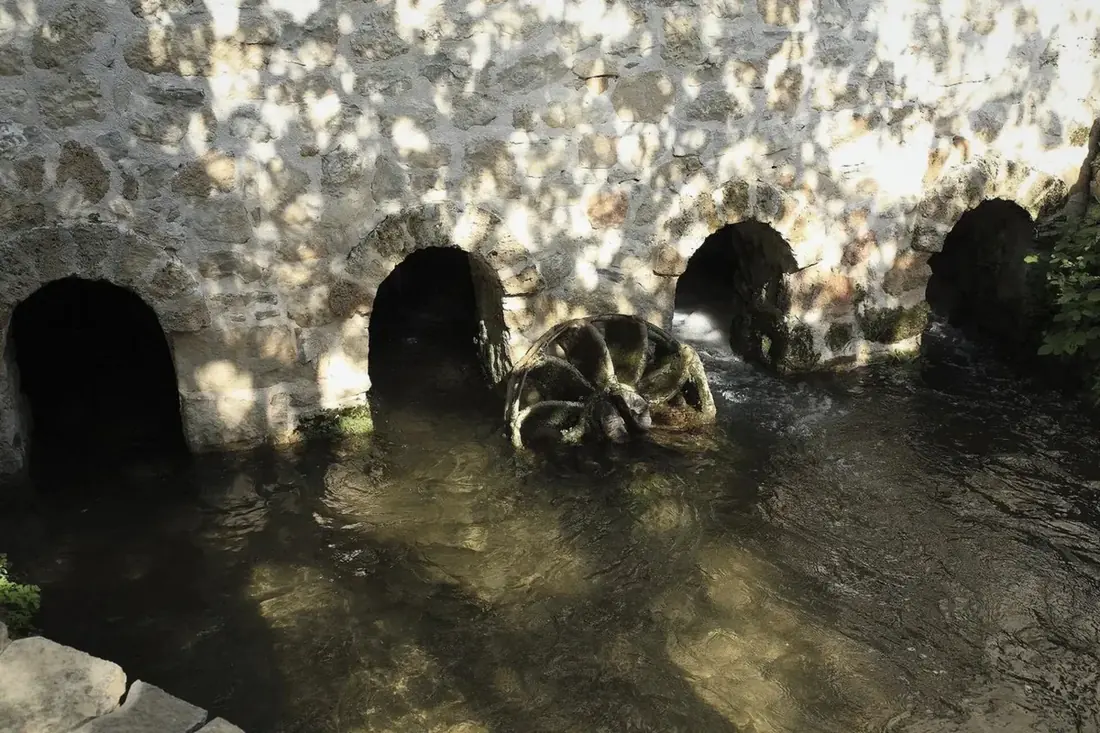
Roški slap, the gentler second barrier upstream, sold separately by the park. Photo: Falk2, Wikimedia Commons CC BY-SA 4.0.
Other Croatian Waterfalls and the Swim Rules
Travellers planning a waterfall-swimming summer around Croatia should reset the map: the national-park waterfalls are all dry swims. Plitvice has banned bathing since 2006; Krka since 2021. The swimmable waterfall water in Croatia is coastal and karst-spring country instead - waterfalls that spill into the sea or sit outside park boundaries. Within a Krka-centred trip, the honest answer is that the coast supplies the swim: the same tours that carry the falls carry the beach, and the Dalmatian water in August is the warmest swimming the country offers.
For river swimming specifically, the Dalmatian hinterland's cetina sources and bathtubs lie outside the national-park rules - different trips, different pages.
Say it once and plan around it: the falls are a looking-at event now, the swim belongs to Skradin or the sea, and the tour that pairs them honestly - falls in the morning, legal water after - is the whole trick.
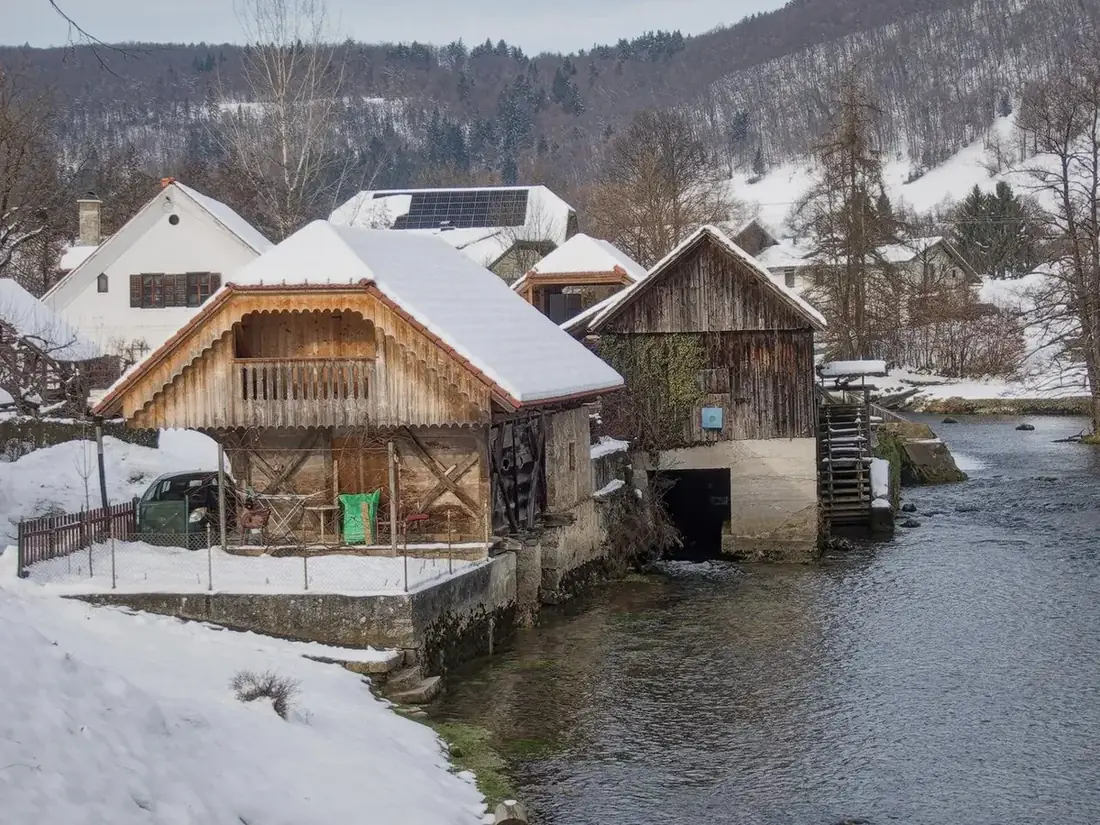
The watermills above Skradinski Buk - the working past stitched into the boardwalk circuit. Photo: Ajznponar, Wikimedia Commons CC0.
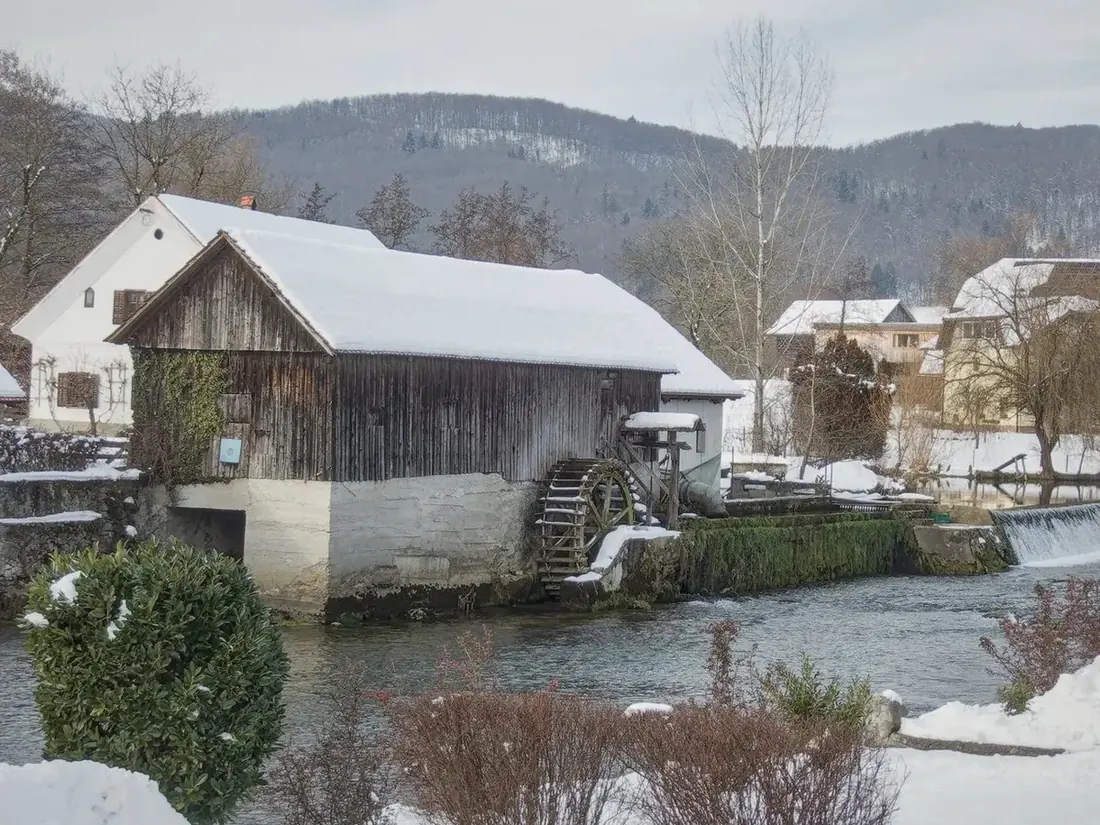
The watermills above Skradinski Buk - the working past stitched into the boardwalk circuit. Photo: Ajznponar, Wikimedia Commons CC0.
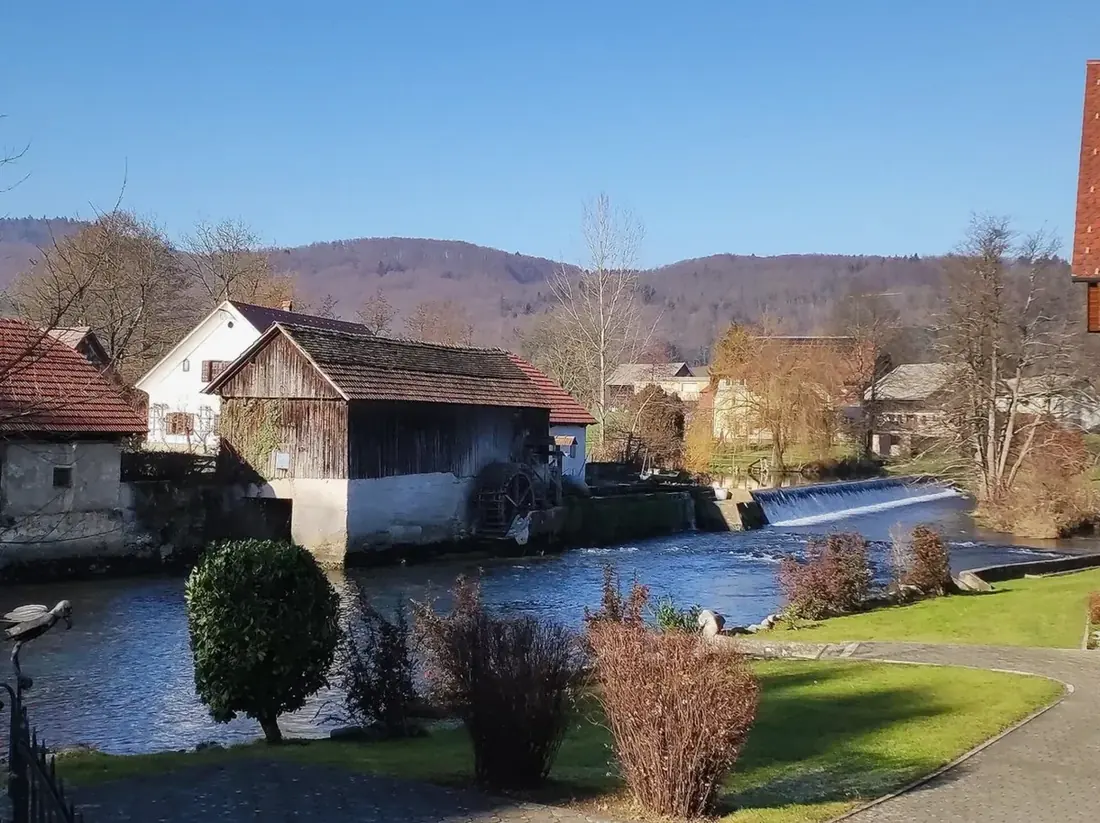
The watermills above Skradinski Buk - the working past stitched into the boardwalk circuit. Photo: Ajznponar, Wikimedia Commons CC0.
The Two Swims Up Close: Skradin Beach vs Primošten
The ban moved the swim, and the two waters that inherited it are different animals - worth choosing between rather than accepting. Skradin's river beach is the calm-water answer: fresh, green water where the current dies below the fortress, a gradual pebble entry that small children and nervous swimmers handle easily, and a five-minute walk from the tour boat's dock - the swim that doubles as a rest stop, warmest of the two and flattest, with the town's cafes at its back. Primošten's beaches are the Adriatic answer: salt buoyancy, clear moving water, pebble coves around a stone peninsula, and beach-bar logistics for the afternoon.
The sea is a degree or two behind the river in June, ahead of it in September, and it offers what no river beach can - actual swimming, out past the shallows, with the peninsula panorama from the water. The table settles the choice; the honest advice for most travellers is that whichever tour you book, the swim it carries was chosen by the itinerary, and both are good.
Choosing the water
Characteristics from the listings' itineraries and September 2026 review patterns.
| Side by side | Skradin river beach | Primošten pebble coves |
|---|---|---|
| Water | Fresh, still, green | Salt, clear, moving |
| Entry | Gradual pebble, current-free | Pebble, gentle shelving |
| Warmest | June-September | Late June-September |
| Crowd | Tour waves at the dock | Beach-bar rhythm, spread out |
| Extras | Fortress, cafes, the town | Snorkel coves, panorama walk |
| Found on | Most of the tours | The flagship and budget days |
Safety, Cold and Currents: Reading the Water Before You Swim
Legal water still deserves swimmer's judgement, and the Krka day's two swims have different safety files. Skradin's beach is the forgiving one: no current to speak of below the fortress, a shelving pebble bottom, and water that warms quickly from late June - the reason it is the family default. Its one honest caution is temperature in the shoulder months: the river runs cold well into May, cold enough that the operators themselves warn the swim off, and cold-water shock is not a joke at any age.
Primošten's coves add the sea's variables: the afternoon breeze can raise a chop on the exposed side, the pebble entry slips when wet, and the coves toward the point deepen quickly - swimmers who hug the shore get the calmest water, and the mask-and-snorkel crowd should stay inside the headlands when the flag flies. Universal rules for both: swim where the swim stop is designated, because the guides watch the clock rather than the water; keep the first ten minutes conservative while shoulders adjust; and hydrate, because the Adriatic summer dehydrates swimmers faster than they notice. Nobody drowns at a tour swim stop; the realistic risks are slipped feet on wet pebbles and sunburn on the back of the neck, and both are packing decisions, not luck.
When the Falls Had Swimmers: a Short History
The ban is recent enough that the internet still remembers the other era, and the photographs are worth understanding rather than mourning. Through the 2010s the pools at the foot of Skradinski Buk hosted swimmers in summer numbers - the wide, calm basin below the final barrier was one of Croatia's signature bathing spots, and the images of swimmers under the cascades date mostly from that decade. The restrictions tightened in stages: the park had long prohibited bathing at the barriers' sensitive upper sections, and in January 2021 it closed the whole watercourse, from the headwaters to the brackish mouth at Šibenik, citing the travertine's vulnerability and the endemic fish the same waters support.
Plitvice had made the same call fifteen years earlier, in 2006, and its lakes' recovery is the standing rebuttal to the nostalgia. What replaced the falls swim is the substitution economy this page maps - Skradin's beach, the coastal coves - and the honest summary for travellers deciding between decades: the swimmers in those old photos were enjoying a warmer, busier, more crowded falls day, and the travertine they stood on was paying for it. The falls did not get smaller in 2021; they got a future, and the swim moved down the river to a beach that can carry it.
Month by Month in the Water: the Swim Calendar
Since the falls are out of the swimming conversation, the swim calendar is really about the two substitute waters, and their seasons are slightly different animals. The river at Skradin warms fastest - shallow, current-free and inland, it reaches comfortable swimming in the second half of June and holds it through September, with May and October exactly as cold as the operators warn. The Adriatic at Primošten lags the river by a couple of weeks in June and beats it in September, when the sea holds its summer heat into the first weeks of October.
July and August are warm everywhere - the only real question is crowding, and the beach crowds at Primošten spread across coves while Skradin's beach absorbs whole coaches at a gulp. The table is the swimmer's year at a glance; the one-line summary is that the tour swim is a June-to-September product, a dare in May and October, and a photograph of other people swimming in the winter months - when the low-season Šibenik swap replaces the beach with the old town entirely.
The swim year
Typical comfort windows from review patterns and seasonal norms; personal tolerance varies.
| Months | Skradin river | Primošten sea | The tour's shape |
|---|---|---|---|
| May | Cold - the operators warn | Cold to bracing | Beach stop without swimming |
| June | Warming, comfortable late | Warming from mid-month | Swim season opens |
| July-August | Warm | Warm, busiest | Swim is the afternoon's point |
| September | Warm | At its best | The swimmer's month |
| October | Cooling fast | Holding summer's heat | Last dare of the season |
Swimming and the Tour Brochures: Reading the Listings Honestly
One last reading skill for the booking pages, because the swim is where tour marketing and park rules collide. Listings that carry swimming in their titles - including two on our own comparison - are selling the substitute swim: the Skradin beach or the Primošten coast, never the falls. The park's own rules make a genuine falls-swim listing impossible, so the title's word swimming is a promise about the afternoon, not the falls.
Reading the fine print tells you which: the itineraries print the swim stop's location and length explicitly, the know-before-you-go blocks state the park ban outright, and the honest operators - which is most of them - would rather you arrive informed than surprised. The reverse also matters: a listing that promises swimming and then delivers only fifteen rushed minutes at a pebble strip has undersold its own substitution. Our comparison table prints each tour's swim stop, its water and its length precisely because that column - not the word swimming in a title - is what a swimsuit-packing traveller is actually buying.
Read the column, pack the suit, and the falls stay a looking-at event with a wet ending that suits everyone.
What the Rangers Enforce, and What Travellers Keep Getting Wrong
Since the ban is the page's spine, it is worth spelling out how it actually works on the ground, because the misconceptions are persistent. The ban covers bathing anywhere in the watercourse: the falls' pools, the riverbanks, the weirs upstream and the brackish mouth - not just the photogenic basin under Skradinski Buk. Rangers patrol in season, and the enforcement pattern runs to warnings first and fines where warnings fail; the traveller wading in up to the knees for a photo is in the warning zone, the swimmer doing laps is in the fine zone.
What travellers keep getting wrong, in order of frequency: first, the assumption that the ban is seasonal (it is not - it runs all year); second, the belief that a guide's permission changes it (no tour operator can waive a park rule, and none would); third, the idea that the upstream stretches are quieter and therefore unwatched - the water is a single protected system, and the excursions to Visovac and Roški slap operate under the same rules. The lawful water alternatives are real and good, which is the whole substitution argument of this page: Skradin's beach, the coast's coves, and the swim stops the tours already carry. The falls spent decades absorbing swimmers; they spend the next decades growing travertine instead, and every visitor who swims at Skradin instead is part of why the cascades will still be growing for the next set of postcards.
The practical summary for the day bag: swimsuit for the legal stops, towel for those stops only, and no argument with the rangers - the river always wins, in every sense the word carries.
Swimming Questions
Can you swim at Skradinski Buk?
No - bathing has been banned across the whole Krka watercourse since January 2021, including the pools at Skradinski Buk. Rangers patrol the boardwalk edges in season and fines apply. The swim substitutes are Skradin's river beach and the coastal stops the tours carry.
Why did Krka ban swimming?
To protect the travertine barriers - living rock built by mineralising mosses that sunscreen films and stirred silt smother - and the river's endemic fish, whose spawning grounds sat in exactly the shallow pools people used. Plitvice reached the same decision in 2006.
Which waterfalls in Croatia can you actually swim in?
Not the national-park ones: Krka (2021) and Plitvice (2006) are both swim-free. Croatia's swimmable waterfall water is coastal or outside park boundaries - and for a Krka trip, the beaches at Skradin and Primošten are the built-in answer.
What months can you swim on a Krka tour?
June through September realistically: Skradin's beach and the Adriatic at Primošten both hold warm water, and the operators' own listings warn that April and most of May run too cold for the swim.
Do any Krka tours still promise swimming at the falls?
No tour in our comparison swims in the park - the listings that carry 'swimming' in their names mean the Skradin or Primošten stops, which is the substitution the park's own rules created in 2021.
Is it safe to swim at Skradin's beach with children?
Yes - the river beach below Skradin's fortress has gradual, current-free entry over clean pebble, which small children handle more easily than a sea beach; it is the warmest, calmest water on the whole Krka day.